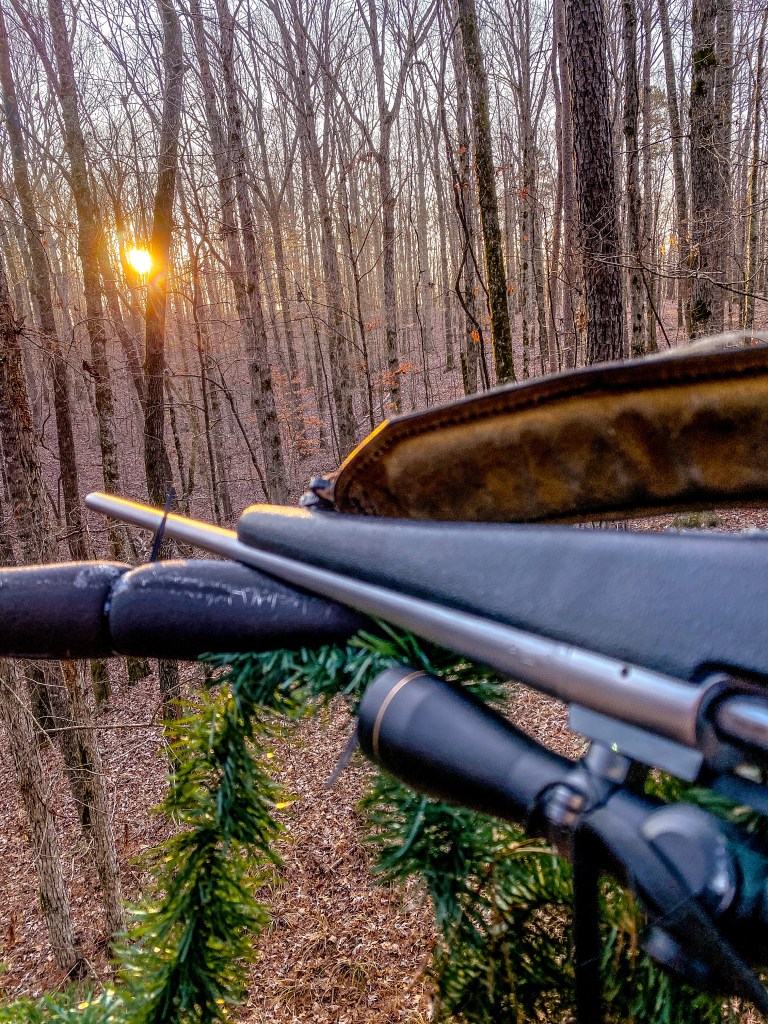
If you ever get the itch to unpack a really heavy suitcase, try delving into hunting ethics. Hunting is a complex art form that is rife with contradictions and painted through shades of grey. Why kill what you love so much? Why are you being selective for big bucks if you hunt for food? Most non-hunters have so many questions, it feels like you are babysitting a toddler. If you didn’t grow up in the culture, understanding why hunters do things the way they do can feel impossible to understand. Sometimes even if you grew up in it, you might not understand exactly why things are what they are. A lot of hunting is much like Shrek’s famous onion, there are layers. Unfortunately though, they don’t lay out neatly. It is convoluted, much like the act. It is both savage and beautiful with its carnage and calming.
There are written rules and regulations that keep you legal with the state and Feds, but also just as many, if not more, unwritten rules and ethics that deal in the spirit of hunting. The main issue with these unwritten rules is that they are in no way universal. Hunting ethics can vary region by region, quarry by quarry, and often times, person by person. What is accepted by some is condemned by others. Someone out there is even going to disagree with that statement, and in doing so, will prove my point. So unpacking the ethics box, even amongst hunters, is near impossible. The discussion of “why this,” in regard to hunting becomes a maze. Difficult topics become blind corners and dead ends quickly, and then frustration sets in. Frustration leads to shouting, and shouting matches serve no benefit to either party involved. Knowledge and eloquence are paramount.
Whether we are in a campfire debate with other hunters or explaining the nuances of our lifestyle to someone new, there are a few things to keep in mind. Humans are the only predators on earth that worry about sportsmanship. We are the only creatures that deal with the conundrum of ethical dilemmas. Wolves do not care if they are hunting over bait. Mountain lions don’t care if it is public or private land. Grizzlies don’t have a one shot, one kill philosophy. All these creatures care about when hunting is the end goal of food in their mouths, and they will kill however they can to get it. Death at the hand of a non-human predator guarantees to be a more cruel end. When we make a bad shot, even if it is still a lethal shot, our hearts are heavy and we feel massive amounts of guilt because of our lack of execution. In no way is that guilt felt by those wild-living predators.
Outside of the state regulations that are in place to ensure management of the resource, every aspect of our hunting ethic is something we have imposed on ourselves. So the human baseline of hunting is already miles above the natural world and that is how it should be. We should be held to a higher standard of respect for our prey, because we are capable of it. We have the ability to still be dynamic predators, but also incredible stewards of both the game and the habitat. There are always going to be differences between hunters and non-hunters, but also between different sub-sets of hunters. Let’s find a way to show that higher level of respect to each other. Being knowledgeable in understanding why we do what we do and being patient in explaining why we do what we do.
We might not make new hunters out of everyone, but showing patience and respect is a great way to make fewer anti-hunters. Through this year we are going to be unpacking more specific questions about some of these unwritten rules of the outdoor lifestyle, and maybe shedding more light on some of the stickier situations that come with it.
The first, and probably biggest thing to remember on this journey is the respect we have for the game and habitat, is the same respect we show to those who have differing opinions. The same patience that we use to be successful in the field, should be applied in this discussion as well. Respect and Patience will get you farther in life and in the field.
 A Day in the Field